How Can an Intraoral Scanner Benefit Your Practice?

Bayshore • August 22, 2020

Share this article

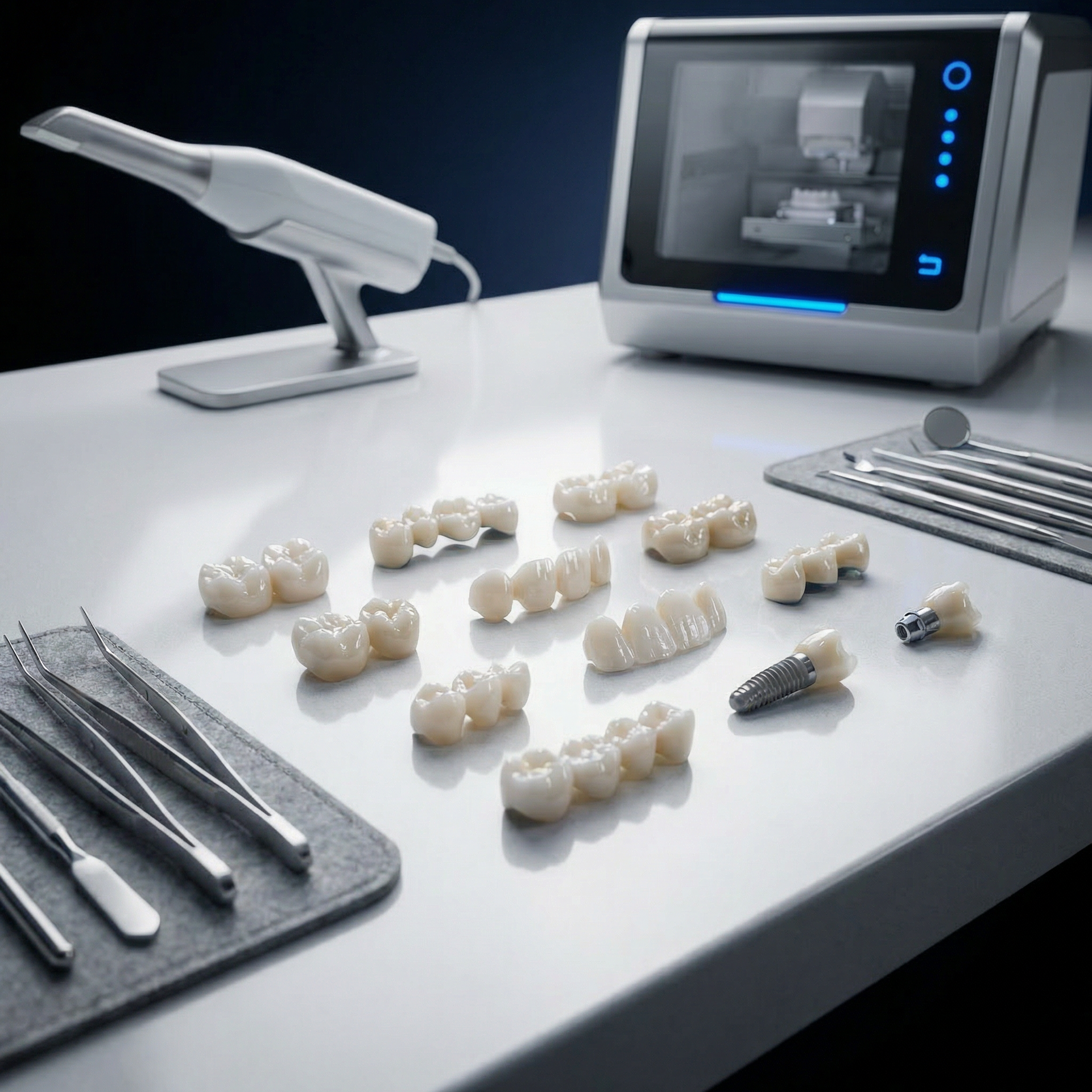
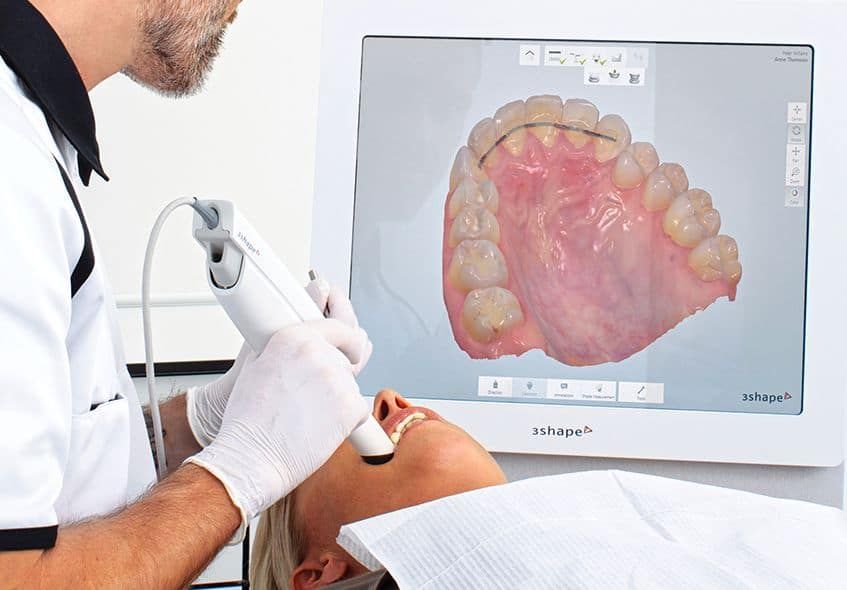
More and more dentists are bringing intraoral scanners into their practices, and for good reason. A digital impression replaces the tray and material with a fast, accurate scan, and it changes the workflow for the better from the first appointment through the final seat.


Start with the manufacturer's instructions


A well-taken digital scan captures fine margin detail and avoids the distortion, voids, and pulls that come with conventional impression material. Cleaner data going to the lab means better-fitting restorations and fewer remakes, which saves chair time and keeps cases on schedule.


Faster appointments and a smoother workflow


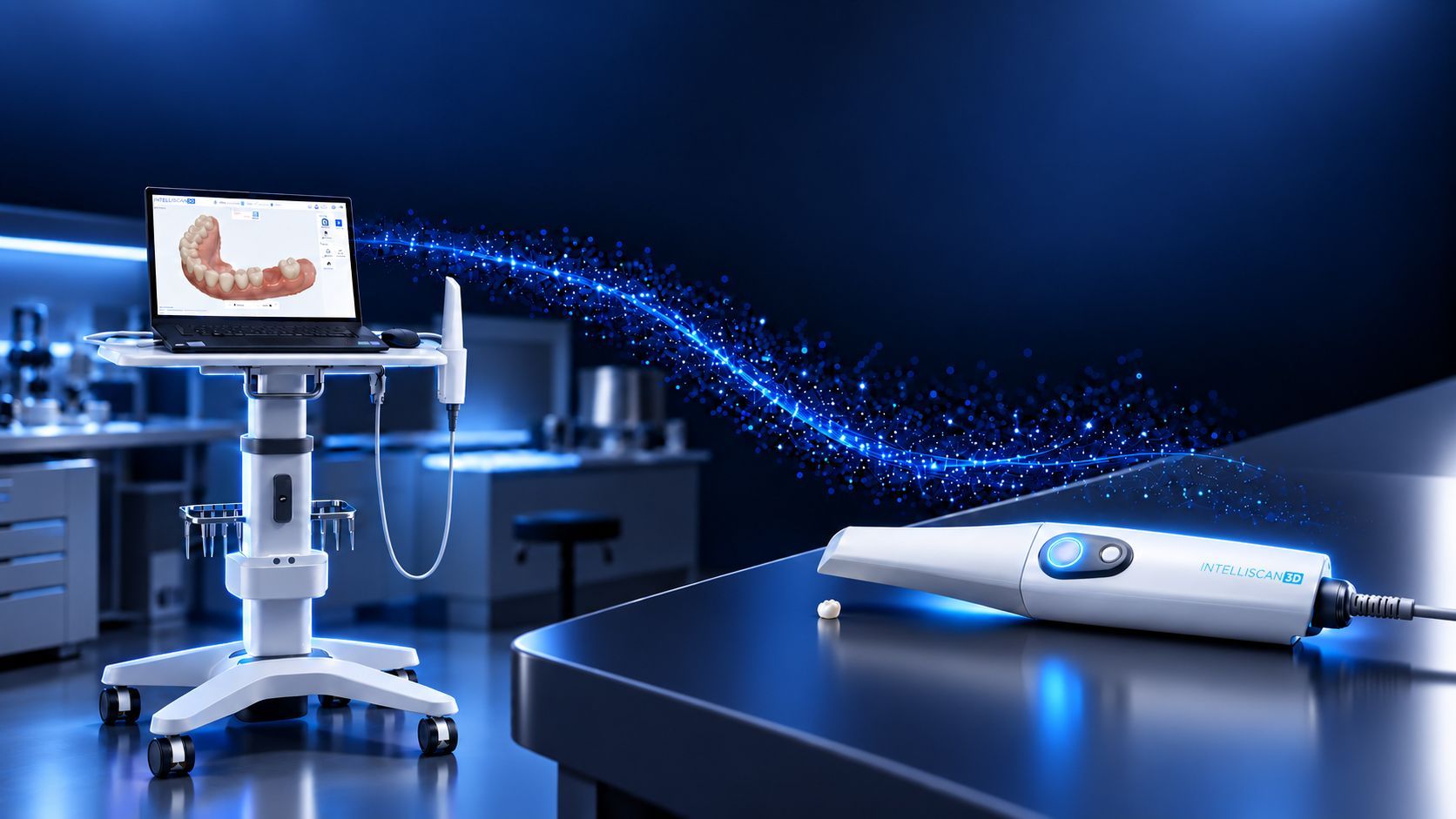
Scanning is quicker than mixing material, seating a tray, and waiting for set. You can review the scan on screen immediately, catch a missed area before the patient leaves, and send the case to the lab in minutes instead of shipping an impression. That tighter loop shortens turnaround on the whole case.


Higher case acceptance


One of the most underrated benefits is communication. Showing a patient a 3D model of their own teeth makes a proposed treatment easy to understand, which builds trust and helps patients say yes. A clear visual does more to explain a case than words alone.


A more comfortable experience


Many patients dislike traditional impressions, especially those with a strong gag reflex. A scanner removes the tray and the material entirely, which makes the appointment more comfortable and leaves a modern, high-tech impression of the practice.


Getting started


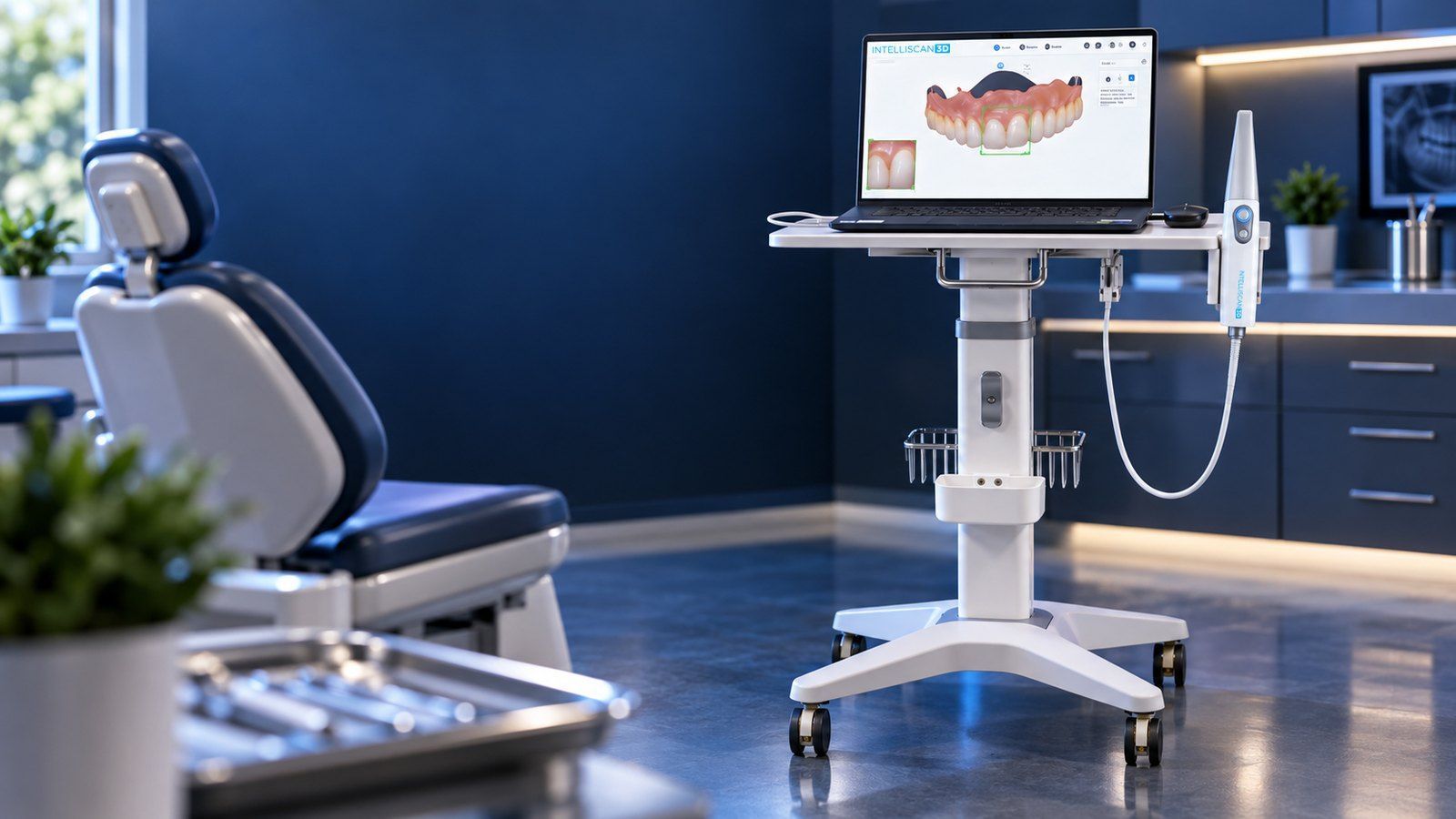
Adopting digital impressions is easier than most practices expect, and the payoff shows up quickly in fit, speed, and patient response. An affordable, easy-to-use option like IntelliScan 3D lets you own the scanner outright and start sending digital cases right away.


Ready to go digital? Send your next case to Bayshore Dental Studio and we will help you get set up for a smooth digital workflow.

Recent Posts

Monolithic zirconia dental bridge under studio lighting
By Dustin Drudy • September 22, 2026
Zirconia bridges: when to prescribe them, prep and connector requirements, and monolithic vs layered options. A dental lab's clinical guide for dentists.
By Bayshore • January 4, 2023
Flexural strength (measured in MPa) determines how much load a restoration can take. A dental lab's guide to why it matters when selecting zirconia and other materials.
By Bayshore • October 11, 2020
Why digital workflows fit modern dentistry: better accuracy, faster turnaround, and a smoother experience for both the practice and the patient.
By Bayshore • October 11, 2020
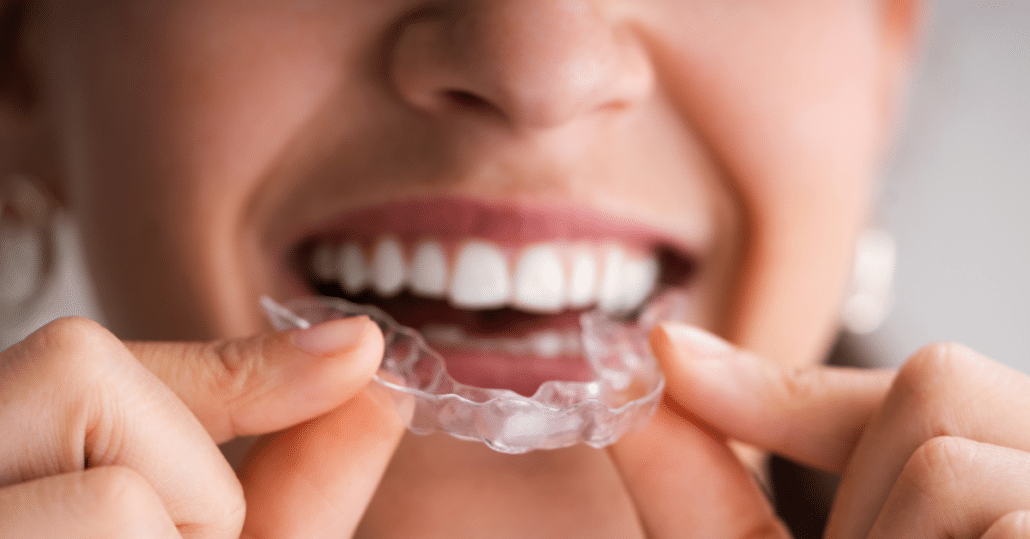
How clear aligners are reshaping orthodontics, and what dentists should know about offering aligner therapy in their own practice.

By Bayshore • August 22, 2020
Step-by-step guidance on safely disinfecting your intraoral scanner between patients to keep infection control tight in the dental office.
By marketing • November 27, 2018
Conventional vs adhesive cementation for crowns and bridges: when to use each, and how to match your cementation protocol to the restoration and the prep.
By Bayshore • July 2, 2018
Zirconia milled dental crowns are emerging as the dentist’s choice because of their strength and natural look...The post Z Crown appeared first on Bayshore Dental Studio.
By Bayshore • June 21, 2018
The post Summer Savings 2018 appeared first on Bayshore Dental Studio.